Write mobile notifications
Writing empathetic mobile notifications for a parent using an after-school sitter service, from a delayed pickup to a safe arrival home.
3 min read01 · Overview
Journey moments
Delay, pickup, arrival
Writing iterations
Drafts through final copy
Writing principles
Safety, empathy, clarity
Keep a parent informed from delay to safe arrival
A single parent uses an after-school sitter service. A caregiver picks up the child, drives them home, and stays until the parent arrives.
The notifications need to explain a delayed pickup, confirm that the child is en route, and reassure the parent that the child arrived safely. Only the parent receives these updates.
Write for safety, empathy, and the glance
I used 6 principles to keep each notification brief without stripping away the context a parent needs.
Parent first
Write for the parent receiving the update—not the internal service workflow.
Safety first
Lead with the information that reduces uncertainty and supports trust.
Empathy
Choose language that explains disruption without creating unnecessary alarm.
Glanceable
Make titles useful before someone reads the supporting sentence.
Enough detail
Keep the copy short without removing who, what, or what happens next.
Inclusive names
Allow for different names, spellings, genders, and pronouns.
Caregiver delayed in traffic
The early drafts explored how much detail a parent needed and how to acknowledge the delay without making it sound like an emergency.
Child picked up and en route
These drafts refined the sequence so the parent could immediately understand who completed the pickup and what was happening next.
Child arrived home
The draft communicated arrival, but it did not yet lead with the reassurance the parent needed most.
The right word can turn an alarming update into a reassuring one.
Three final notifications, one reassuring journey
The final set communicates each stage with the same priorities: say what happened, show what comes next, and reduce uncertainty.
Caregiver delayed in traffic
“Experiencing” explains the disruption with empathy, while the remaining copy gives the parent enough context to understand the revised pickup.
Child picked up and en route
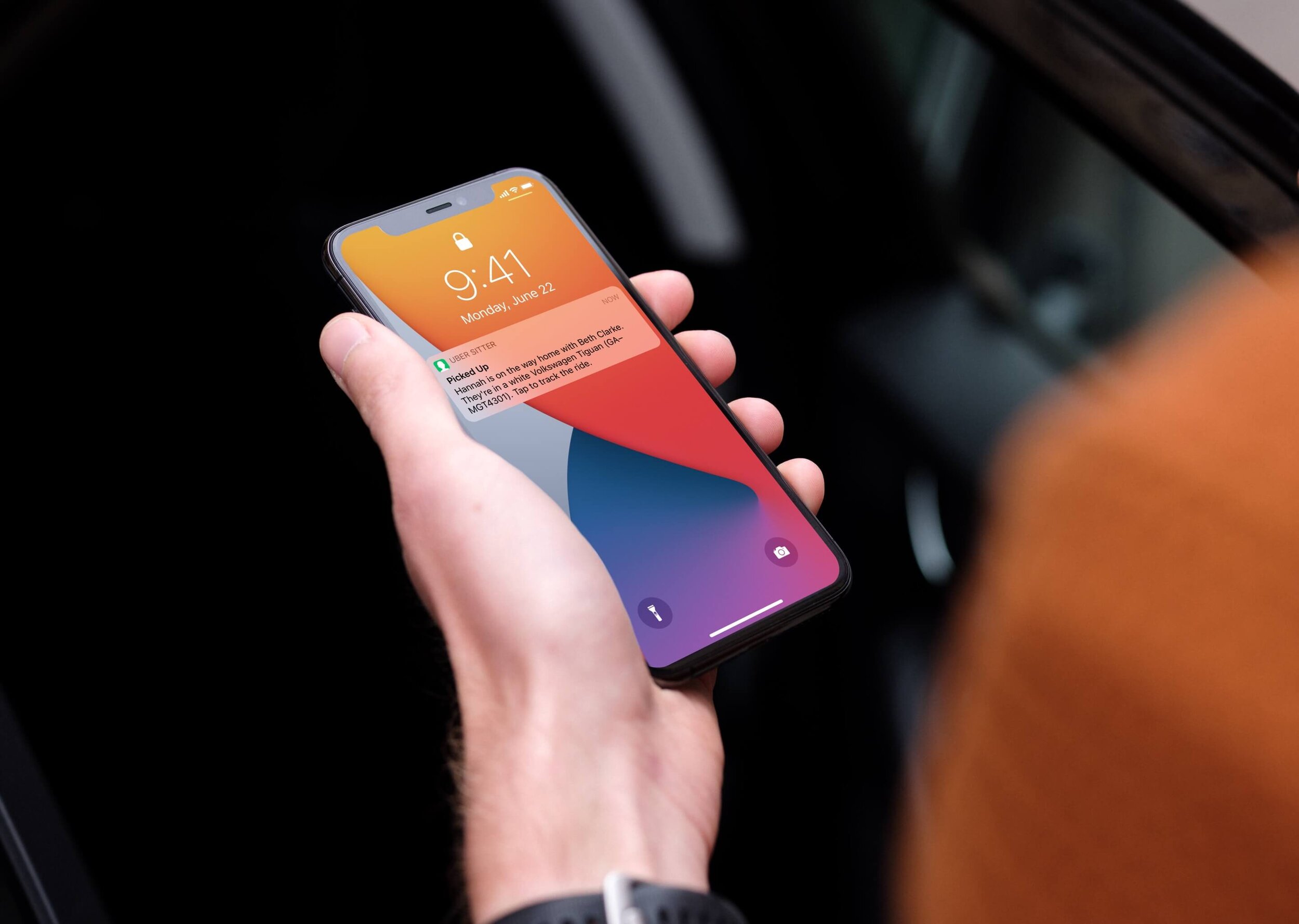
The final confirms the completed pickup and makes the next stage of the journey unmistakable.
Child arrived home safely
The final leads with the reassurance the parent has been waiting for and closes the journey with a calm, complete update.
Empathy can live inside a single word
When I remembered how pilots tell passengers they are “experiencing turbulence,” I saw how the same verb could communicate a delay without sounding evasive or alarming.
That decision shaped the rest of the system: say what happened, show what comes next, and use a calm voice that respects the parent’s concern.